
Roma Luxe Care

أجمل عمليات تجميل الانف
غير مصنف

The most beautiful rhinoplasty procedures

With the increasing popularity and prevalence of rhinoplasty, nose reshaping is one of the most common and requested cosmetic procedures. If you’re considering the most beautiful nose plastic surgery, here’s everything you need to know about this exciting topic! Why do people seek rhinoplasty? There are several reasons why people opt for rhinoplasty, including: Functional reasons:Difficulty breathing due to structural deformities in the nose. The need to correct functional breathing defects. Aesthetic reasons:A desire to improve overall facial features. Correcting aesthetic flaws in the nose’s shape. I hope you enjoy exploring the rest of this content, which will provide you with more information about the world of rhinoplasty. Reasons for Rhinoplasty When someone considers rhinoplasty, there may be several reasons that motivate them to make this decision. Let’s look at the functional and cosmetic reasons why someone might consider rhinoplasty: Functional Reasons When someone experiences functional problems with their nose, rhinoplasty may be the only solution. Some functional reasons include: Breathing difficulties: A large or crooked nose can negatively impact a person’s ability to breathe properly. Correcting injuries: Some people with previous injuries may need rhinoplasty to restore their nose to its natural shape. Cosmetic Reasons In addition to functional reasons, there are cosmetic reasons why people might consider rhinoplasty, including: Improving overall appearance: The nose can significantly impact facial appearance, and correcting its shape can boost self-confidence and personal attractiveness. Correcting imperfections: Some people may have genetic defects in the shape of their nose, and rhinoplasty can effectively correct these imperfections. Regardless of your reason for considering rhinoplasty, you should always consult with a qualified plastic surgeon for proper advice and guidance before making any final decision. Essential Steps in Rhinoplasty After deciding to undergo rhinoplasty, the next question is: what are the essential steps you should follow? Rhinoplasty involves several important steps to ensure the success of the procedure and achieve the desired results. Let’s look at these steps: 1. Consultation with a Plastic Surgeon First and foremost, you must book a consultation with a plastic surgeon specializing in rhinoplasty. During this consultation, the surgeon will assess your current nose condition and listen to your goals and expectations for the procedure. 2. Surgical Planning After the consultation, the surgeon will develop a customized surgical plan to suit your needs. This step will determine the best technique to achieve the desired result and discuss the practical details. 3. The Surgery After the planning phase, you will enter the operating room for the surgery. During this procedure, the appropriate techniques will be used, and the pre-determined surgical plan will be implemented. 4. Recovery Period After surgery, a recovery period is necessary. It is important to follow the doctor’s instructions precisely to ensure a quick and successful recovery. By following these basic steps carefully, you can achieve satisfactory results and the nose look you desire. Be precise in following your doctor’s instructions and don’t hesitate to ask any questions you may have. Common Rhinoplasty Techniques When considering rhinoplasty, various techniques come to mind to suit different needs. Let’s look at two common techniques for the most beautiful nose reshaping procedures. Nose Reduction Surgery Nose reduction is one of the most common procedures in rhinoplasty. This procedure is used when the nose is too large, making it appear disproportionate to the other facial features. The main steps of nose reduction surgery include: Anesthesia and preparation of the patient for surgery. Creating the appropriate skin incisions. Sculpting the tissues and reshaping the nose to harmonize with the rest of the face. Sealing and repositioning the skin. Rhinoplasty Rhinoplasty is also a common technique in the most beautiful nose reshaping procedures. This procedure is used to correct the shape of the nose, whether to correct a congenital deformity or to modify the nose due to a previous injury. The essential steps in rhinoplasty surgery include: A comprehensive assessment of the nasal structure. Meticulous planning of the reshaping procedure. Execution of the surgery with care and skill. Monitoring the results and ensuring proper patient recovery. In short, whether you are looking to reduce the size of your nose or reshape it, common rhinoplasty techniques offer you the opportunity to achieve a desired appearance and boost your self-confidence. Risks and Side Effects of Rhinoplasty Once you have decided to undergo rhinoplasty, you should be aware of the potential risks and side effects. There are some points you should keep in mind before proceeding with the procedure: Potential Risks:Possibility of hematoma (blood pooling) under the skin and the appearance of bruises.Possibility of swelling and significant bruising for a period of time after surgery.Risks associated with general anesthesia.Possibility of scarring on the nose. Possible Side Effects:Temporary pain. Redness and mild swelling at the surgical site.Possibility of loss of sense of smell in some cases.Possibility of an undesirable change in the shape of the nose. If you are considering rhinoplasty, you should consult with a qualified and board-certified plastic surgeon. You should be aware of all the potential risks and side effects, and fully understand what to expect from the surgery and recovery process. Always listen to what the specialist surgeon says, and follow their instructions carefully to minimize risks and ensure satisfactory results. Be realistic about your expectations from the surgery, and don’t hesitate to ask all your questions.  
عملية زراعة شعر الحواجب
غير مصنف

Eyebrow hair transplant procedure

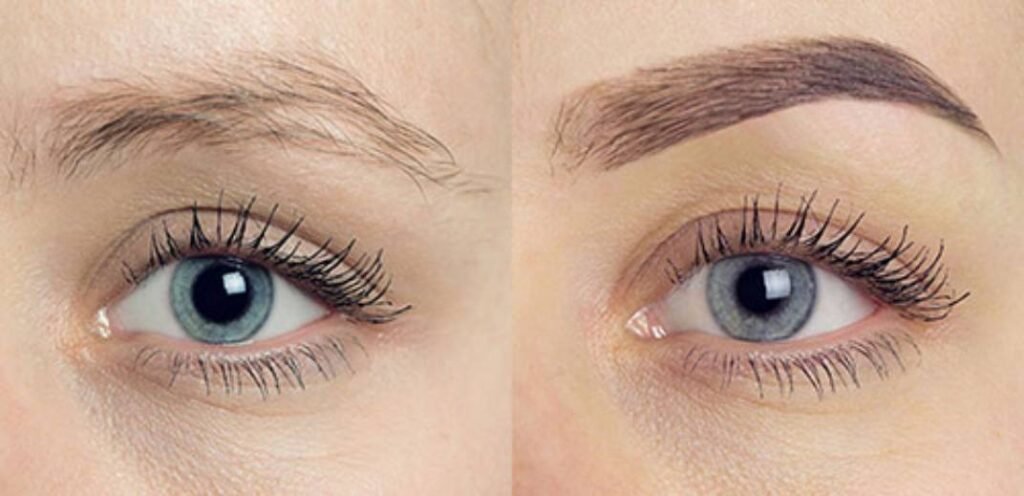
Eyebrow Hair Transplant Eyebrow hair transplantation is a cosmetic procedure, but its purpose isn’t solely aesthetic. Many people suffer from eyebrow deformities due to accidents or burns, and some undergo chemotherapy, resulting in permanent eyebrow hair loss. This procedure helps these individuals regain their natural appearance. What is Eyebrow Hair Transplantation? In Turkey, eyebrow hair transplantation involves extracting hair follicles from other parts of the body, such as the back of the head, and transplanting them to the eyebrow area. The doctor selects strong, healthy follicles suitable for transplantation and shapes them to suit the patient’s facial features. The transplanted hair then grows in this area, just like natural hair. Eyebrow hair transplantation was first performed by doctors in the 1920s. It has undergone significant advancements and has become widespread throughout the world, including in the Arab world. Many artists and celebrities have also undergone this procedure. Eyebrow hair transplantation is a procedure that requires special precision. Therefore, the patient must be fully informed before undergoing the procedure and choose a skilled doctor specializing in eyebrow hair transplants, possessing extensive experience in this field, and having performed numerous successful transplant procedures beforehand. The doctor should also select the appropriate hospital for the procedure. We recommend Roma Lux Center, a specialized center for eyebrow hair transplants in Turkey, and the appropriate locations for extracting healthy hair follicles. Furthermore, the doctor should have an aesthetic sense and be attentive to ensuring the eyebrow shape complements the facial features. What are the benefits of thick eyebrows? Thick eyebrows help protect the eyes from strong sunlight. Thick eyebrows protect the eyes from dust and sweat that can enter when eyebrow hairs fall out. Thick eyebrows enhance facial features and help express sadness, happiness, or anger. Thick eyebrows primarily contribute to the beauty of the face and eyes. Eyebrow Transplant Techniques in Turkey Using the OSL Technique for Eyebrow Transplantation The OSL technique helps achieve excellent results in eyebrow transplantation. The doctor determines the correct direction of the eyebrow hairs to match the natural hair growth. Therefore, the doctor determines the angle and depth of the hairs, which largely depends on the experience of the doctor performing the procedure. Using the DHI Choi Pen Technique for Eyebrow Transplantation In the DHI Choi pen technique, the doctor uses precise Choi pens to implant the follicles and fill in gaps in the eyebrows. With this technique, the patient does not need to shave or pluck their eyebrows. This technique helps people achieve a beautiful appearance and treats eyebrow hair loss caused by alopecia, burns, scars, or wounds. FUT Strip Technique for Eyebrow Hair Transplantation The doctor uses the older FUT strip technique, which is not used at Roma Lux Center (though some centers still use it). The doctor extracts a strip of skin from the back of the patient’s head and then implants it in the eyebrow area experiencing sparse or thinning hair. However, this method has drawbacks, including the risk of infection or rejection of the transplanted hair by the patient’s body. Ultra Cell FUE Technique for Eyebrow Hair Transplantation In the Ultra Cell FUE technique, the doctor extracts the desired hair follicles from donor areas on the head, such as near or in front of the ear (due to their rich blood supply), or from the back of the head. These extracted hairs are then implanted into the sparse areas of the eyebrows.

جراحة الوجه الترميمية والتجميلية
غير مصنف

Facial reconstructive and cosmetic surgery

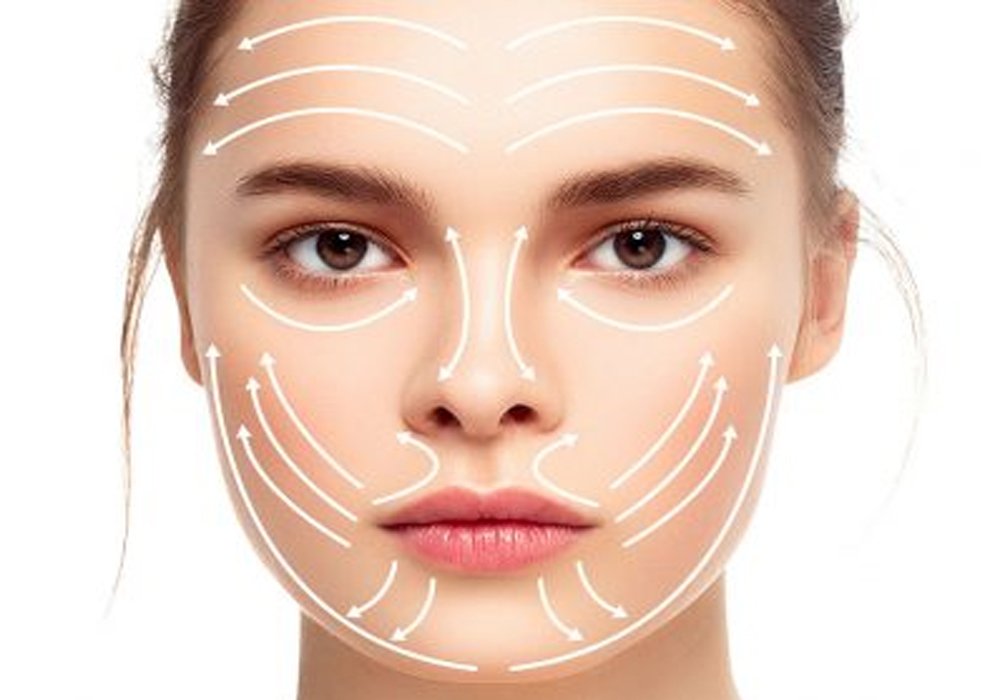
Facial reconstructive and cosmetic surgery is both an art and a science aimed at improving facial appearance and restoring facial function. This surgery includes procedures to correct congenital defects, reduce signs of aging, and improve facial balance and symmetry. Advanced facial surgery techniques are used to ensure natural and aesthetic results. The Importance of Facial Reconstructive and Cosmetic Surgery Facial reconstructive and cosmetic surgery is a popular and effective approach to improving self-confidence and quality of life. It is not merely an aesthetic procedure; it plays a vital role in restoring confidence and happiness to individuals who are concerned about their appearance. Furthermore, facial reconstructive surgery helps improve facial and respiratory functions, leading to better daily comfort and sleep quality. History and DevelopmentHistory of Facial Reconstructive and Cosmetic Surgery Facial reconstructive and cosmetic surgery has a long history spanning centuries, having been used since ancient times to correct facial deformities or enhance appearance. In ancient Egypt, cosmetic techniques were employed to rejuvenate and enhance facial beauty. While in the Middle Ages, surgical procedures were performed using primitive methods without the benefit of modern techniques. The Evolution of Facial Surgery Techniques With advancements in technology and medical science, facial surgery techniques have undergone significant development, becoming more precise and effective. Doctors began using modern methods such as lasers and digital technology in facial reconstructive and cosmetic surgeries. Methods for natural tissue reconstruction and creating more natural-looking results have also been developed. The experience of beauty and aesthetics is extremely important to many people, and thanks to these advancements in surgical techniques, they can achieve their desired results more accurately and safely. Surgical ProceduresSteps of Facial Reconstructive SurgeryInitial Assessment: In this stage, the patient’s condition is reviewed, and their needs and expectations for the procedure are analyzed. Anesthesia: The patient is safely anesthetized to ensure their comfort during surgery. Cutting and Trimming: In this step, the planned surgical procedures are performed, such as lifting the skin and reshaping the facial skeleton. Suturing and Dressing: Once the surgery is complete, the incisions are carefully closed and the wound is properly dressed. When you decide to undergo facial reconstructive surgery, a series of important steps are followed to ensure the success of the procedure and the achievement of the desired results. Here are the steps involved in performing common reconstructive facial surgery: Common Facial Aesthetic Techniques There are many facial aesthetic techniques used to improve skin appearance and enhance facial beauty safely and effectively, including: Botox injections: A common technique to reduce the appearance of wrinkles and signs of aging. Dermal fillers: This technique involves injecting fillers into the skin to fill wrinkles and give a youthful, plump appearance. Laser and chemical peels: Techniques that help improve skin quality and lighten dark spots. Always remember that consulting a specialist before deciding to undergo any surgical or cosmetic procedure will help you understand the steps and techniques that are most suitable for your specific case. Rehabilitation and RecoveryPost-Surgery Rehabilitation Once reconstructive or cosmetic facial surgery is complete, the rehabilitation phase begins, which plays a vital role in the complete recovery process. Here are some essential steps followed to ensure the success of the procedure: Rest and Rest: The patient is advised to get sufficient rest after surgery, avoid strenuous activity, and follow the instructions of the treating physician. Aftercare: It is important to follow the surgeon’s post-operative instructions, such as changing dressings and applying soothing creams. Follow-up: The patient should see the surgeon regularly to monitor healing progress and ensure there are no complications.Expected Recovery Time The recovery period after reconstructive or cosmetic facial surgery depends on several factors, such as the type of surgery, the extent of the procedure, and the patient’s overall health. However, there are some general expectations: Swelling and Pain: Swelling and pain may persist for a few days after surgery but will gradually subside. Final Results: The final results after facial surgery often take several weeks or even months to fully appear. It is important to follow the doctor’s instructions and not rush the recovery process, as achieving the desired results requires patience and attention to self-care. Costs and RisksCosts of Reconstructive and Cosmetic Facial Surgery Once you decide to undergo cosmetic facial surgery, you should be aware of the costs associated with these procedures. The costs of reconstructive and cosmetic facial surgery vary depending on several factors, such as the type of procedure you choose, the clinic’s location, the surgeon’s experience, and the extent of the surgery. Here are some important points about facial surgery costs: The cost of the initial consultation with the surgeon to assess your condition and develop a treatment plan. The actual surgery costs, including the surgeon’s fees and the hospital or medical center fees. The costs of medications and medical supplies after surgery. The potential costs of future cosmetic procedures. Potential Risks and Side Effects There are potential risks and side effects associated with reconstructive and cosmetic facial surgery, and you should be aware of them before making your final decision. These include: The possibility of temporary swelling or pain after surgery. The risk of infection or bleeding during surgery. The possibility of not achieving the desired results or of disfigurement. Rare side effects such as changes in sensitivity or scarring. Be sure to discuss all potential risks with your surgeon before surgery and prepare yourself mentally for the costs and potential risks thoroughly. Guidelines and TipsPost-Surgery Skincare Tips After reconstructive or cosmetic facial surgery, proper skincare becomes vital to ensure a speedy recovery and optimal results. Here are some important post-surgery skincare tips:

Scroll to Top